Safeguarding the Vulnerable: How an Elder Abuse Lawyer Can Make a Difference
Elder abuse remains a pressing issue impacting many vulnerable people. Spotting the indicators can prove difficult for loved ones. A lawyer specializing in elder abuse offers critical guidance and assistance. They skillfully manage the challenges of the legal system, guaranteeing that those affected receive fair and just outcomes. Knowing how these attorneys function is essential for families looking to safeguard their relatives. Taking action now could lead to meaningful change.
Recognizing Elder Abuse: Types and Indicators
Recognizing elder abuse is essential for recognizing its various forms and the signs that accompany them. Elder abuse can occur in a variety of ways, including physical harm, emotional damage, financial exploitation, and neglect. Physical abuse encompasses inflicting bodily harm, such as hitting or restraining, while emotional abuse can involve verbal attacks or intimidation that damage an elder's sense of worth. Financial abuse commonly includes the improper use of an elder's finances or possessions, leading to significant financial loss. Neglect, by contrast, happens when those responsible fail to deliver necessary assistance, causing worsening health conditions or dangerous circumstances. Warning signs of elder abuse may involve unexplained physical marks, unexpected behavioral changes, retreat from social engagement, and indications of poor nutrition or hygiene. Identifying these warning signs is essential for timely action and safeguarding, guaranteeing that at-risk seniors obtain the attention and dignity they are entitled to. Awareness is the first step toward prevention and advocacy against elder abuse.
How an Abuse Attorney Can Support Your Loved Ones
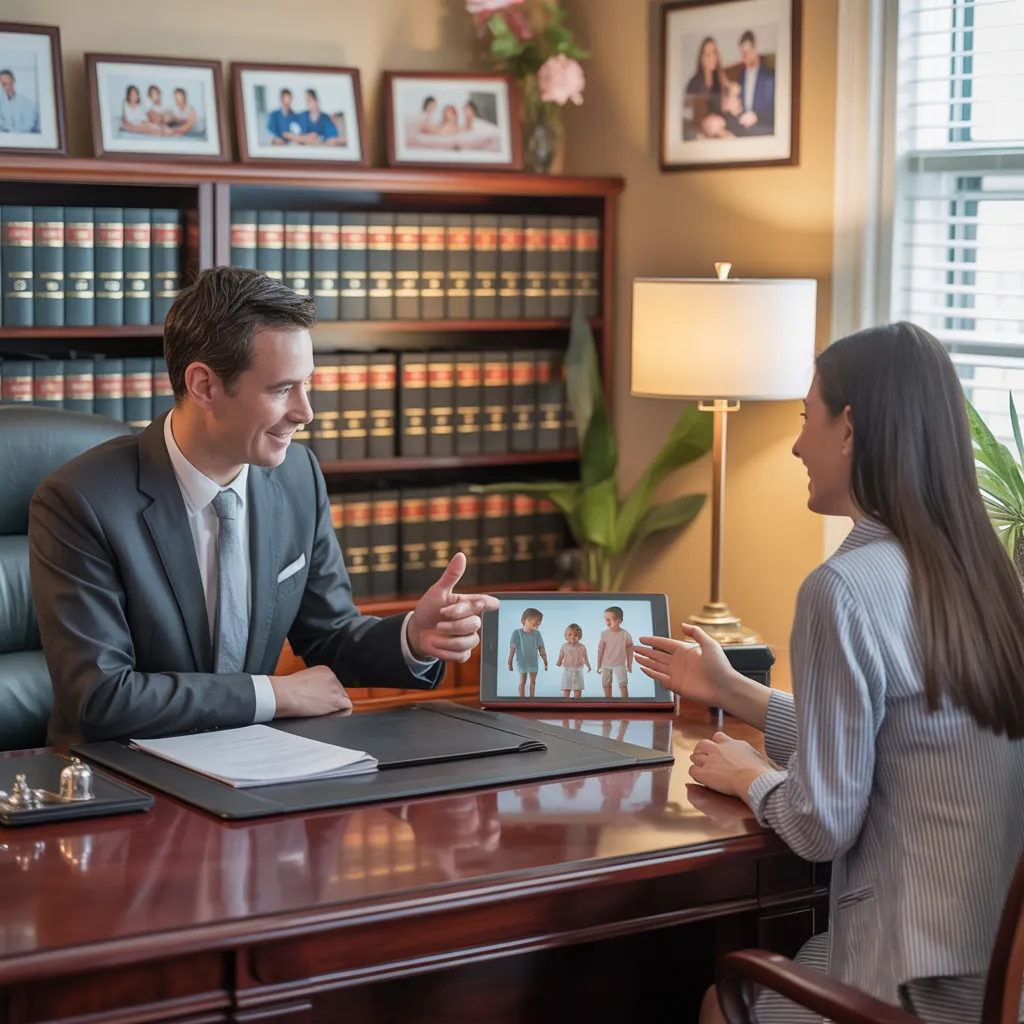
Navigating the challenges of elder abuse can be daunting for families. A lawyer specializing in elder abuse cases plays a critical role in addressing this complex situation. They deliver specialized support, enabling families to grasp the legal consequences of elder abuse and the appropriate actions to shield their loved ones. By conducting thorough investigations, these lawyers gather important evidence to support claims and advocate for the rights of vulnerable individuals.
Furthermore, a dedicated abuse attorney offers emotional assistance, relieving certain pressures from affected families during difficult times. They can also strengthen dialogue between loved ones and residential care facilities, confirming that issues are resolved quickly and thoroughly. Through representing family members in legal negotiations or dispute resolutions, these legal professionals endeavor to achieve legal justice and monetary relief for those who have suffered. Fundamentally, an abuse lawyer stands as a significant ally, empowering families to take action against abuse of the elderly and protect their loved ones' safety and welfare.
Legal Remedies Available to Elder Abuse Victims
Victims of elder abuse experience various forms of mistreatment, all of which necessitate appropriate legal remedies. Understanding the types of elder abuse is essential for determining the appropriate steps to take. Furthermore, learning about the available reporting mechanisms can give victims and their loved ones the tools to obtain the justice they deserve.
Kinds of Elder Abuse
Elder abuse presents itself in various forms, each creating unique difficulties for those affected. Physical abuse involves the use of force, causing injury or pain. Emotional abuse, frequently underestimated, includes verbal assaults and manipulation, leading to psychological harm. Financial exploitation occurs when individuals misuse an elder's funds or assets, frequently through deceptive means. Neglect stands as another critical form, characterized by the failure to provide essential care, causing elders to remain vulnerable and suffering. Sexual abuse, although underreported, remains equally harmful and encompasses non-consensual acts. Comprehending these categories of abuse is vital for identifying victims and guaranteeing they obtain the required legal support and protection. An abuse lawyer for elders plays an important role in addressing these diverse issues effectively.
An Overview of Reporting Procedures
Working through the challenges of reporting elder abuse can be daunting, yet understanding the procedures is crucial for ensuring justice. Those who witness or read here experience abuse should first carefully document all incidents, including dates, times, and descriptions of incidents. Next, they can bring the matter to the attention of local authorities, such as law enforcement agencies or adult protective services. Each state has specific laws mandating reporting, especially for those working in professional caregiving capacities. Working with a qualified abuse lawyer can provide guidance on maneuvering the legal landscape, including possible civil actions against those responsible. Additionally, victims may consider pursuing protective orders or criminal charges. Becoming familiar with these processes not only strengthens the position of victims but also plays a critical role in preventing further abuse in at-risk communities.
Selecting the Best Abuse Attorney for Your Family
Choosing the ideal legal advocate for a loved one dealing with elder abuse is crucial. Critical elements to take into account include the attorney's experience with elder abuse matters, their ability to engage with sensitivity, and a verifiable history of achieving positive outcomes. These factors can greatly influence the outcome of the legal process and the health and safety of the victim.
Experience With Elder Abuse
How can families ensure they select the most competent abuse attorney when confronted by elder abuse cases? Experience plays an essential role in this decision-making process. Families should seek attorneys with a proven track record in elder abuse cases, as familiarity with the specific legal nuances can significantly influence case outcomes. It is important to inquire about the lawyer's previous cases, emphasizing their achievements and the categories of elder abuse they have managed, such as physical, emotional, or financial abuse. Moreover, recognizing the counsel's strategy to such nuanced situations can provide insight into their capability. By prioritizing experience, families can enhance their chances of securing justice for their loved ones while ensuring that their case is managed with the utmost expertise.
Compassionate Communication Skills
In addition to experience effective communication abilities are crucial when selecting an attorney for elderly abuse situations. An attorney who can relate to both the aging victim and their family members builds a nurturing environment. This type of legal professional listens actively, validating emotions and concerns while delivering transparent descriptions of legal proceedings. Such communication establishes confidence, helping families feel at ease disclosing private information. Additionally, a compassionate lawyer helps navigate the often overwhelming legal landscape with care and compassion. This approach not only reduces the emotional strain on families but also improves the legal professional's effectiveness in advocacy. Ultimately, selecting an abuse lawyer with effective interpersonal skills can profoundly affect the complete journey for victims and their families.
Demonstrated Track Record
A proven success record can considerably impact the decision-making process when families search for an legal advocate for elder cases. Loved ones frequently seek attorneys with a record of successful outcomes and obtaining justice for their loved ones. Experienced attorneys show not only their legal expertise but also their resolve to stand up for those who cannot protect themselves. Factors such as favorable settlements, trial victories, and client testimonials act as key measures of an attorney's effectiveness. Moreover, a solid history of success can offer families peace of mind that their preferred legal representative possesses the essential abilities and background to navigate complex legal situations. In the end, selecting a lawyer with a proven success record can greatly impact the resolution of elderly abuse matters, making certain that fairness prevails.
Why Elder Abuse Victims Need Advocacy
While numerous elder abuse victims stay silent out of fear or shame, advocacy plays an essential role in bringing their suffering to light. Advocates serve as a meaningful voice for those affected, highlighting their rights and raising awareness about elder abuse. By bringing focus to the commonly neglected problems experienced by seniors, advocacy campaigns contribute to eliminating the stigma connected to victimization.
Additionally, advocacy develops safer environments for elders by campaigning for regulatory changes and enhanced protective measures. It encourages a spirit of community, encouraging victims to come forward and seek help. Such support may contribute to greater reporting of abuse, which is critical for uncovering and confronting systemic challenges.
In the end, the efforts of victim advocates strengthens victims, offering them the resources and confidence needed to reclaim their lives. Their work not only aid in individual healing but also advance a wider societal responsibility to defending those most in need against exploitation.
Essential Resources for Families Facing Elder Abuse
Families dealing with elder abuse commonly feel overwhelmed and unclear about how to proceed. Utilizing important resources can deliver critical guidance and much-needed support. Institutions such as the National Center on Elder Abuse (NCEA) supply detailed information, including indicators of abuse and procedures for reporting incidents. Regional adult protective services (APS) are available to help investigate claims and offer immediate assistance.
Legal support is essential; working with an elder law attorney who focuses on abuse cases can provide clarity on rights and legal options. In addition, both in-person and online support groups, provide families with opportunities to connect with others in comparable situations, building a sense of community and mutual understanding.
Hotlines, such as the Elder Abuse copyright, provide around-the-clock assistance, enabling families to get assistance at any time. By leveraging these services, families can address the difficulties of elder abuse more successfully, guaranteeing the safety and well-being of their loved ones.
Common Questions and Answers
What Are the Financial Expenses Associated with Hiring an Elder Abuse Lawyer?
Retaining an elder abuse lawyer generally involves fees ranging from $150 to $500 per hour, based on the attorney's expertise and geographic area. Some may offer contingency fees, collecting a share of any damages recovered as an alternative to standard billing.
How Long Does the Legal Process Typically Take for Elder Abuse Cases?
The legal proceedings for elder abuse cases typically spans several months to a few years, based on the intricacy of the case, the cooperation of involved parties, and the court's schedule. Each situation varies considerably.
Are Elder Abuse Cases Actionable Without Physical Evidence?
Indeed, elder mistreatment cases can move forward without physical evidence. Behavioral changes, testimonies, and financial records can substantiate claims, permitting legal proceedings even without concrete proof of abuse being present, demonstrating the intricate nature of such cases.
How Do Family Members Contribute to the Legal Process?
Family members commonly function as crucial witnesses in cases of elder abuse, providing essential testimony and documentation. Their involvement can assist in establishing behavioral patterns, support claims, and champion the elder's rights and well-being during the legal proceedings.
Are Support Groups Available for Families Coping With Elder Abuse?
Indeed, many support groups are available for families dealing with elder abuse, providing resources, guidance, and emotional support. Such groups cultivate a sense of belonging, assisting families in navigating their difficulties and share their stories in a secure and welcoming environment.